
- English
- Español
- Português
- русский
- Français
- 日本語
- Deutsch
- tiếng Việt
- Italiano
- Nederlands
- ภาษาไทย
- Polski
- 한국어
- Svenska
- magyar
- Malay
- বাংলা ভাষার
- Dansk
- Suomi
- हिन्दी
- Pilipino
- Türkçe
- Gaeilge
- العربية
- Indonesia
- Norsk
- تمل
- český
- ελληνικά
- український
- Javanese
- فارسی
- தமிழ்
- తెలుగు
- नेपाली
- Burmese
- български
- ລາວ
- Latine
- Қазақша
- Euskal
- Azərbaycan
- Slovenský jazyk
- Македонски
- Lietuvos
- Eesti Keel
- Română
- Slovenski
- मराठी
- Srpski језик
Hiina Isostaatiline grafiit Tootjad, tarnijad, tehas
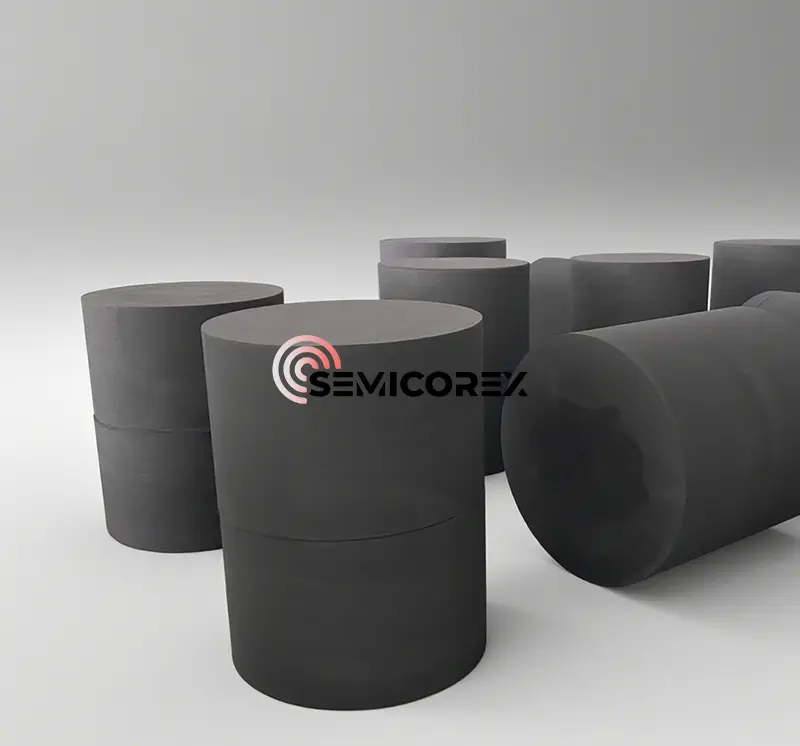
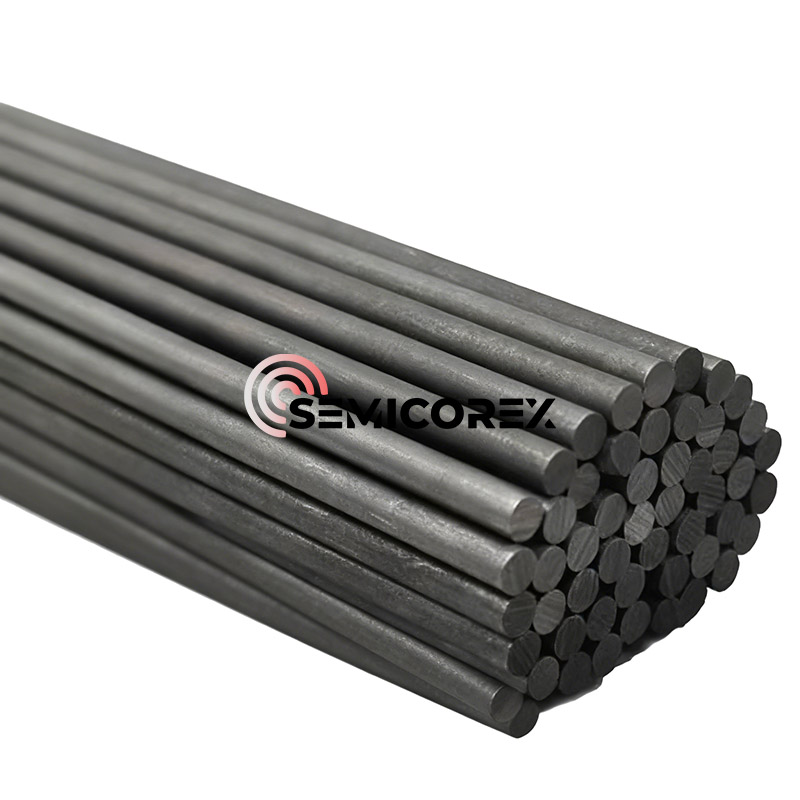
Carbon/graphite material molding essentially involves increasing the density of the powder mixture and ensuring close contact between the aggregate and binder to produce a green body with a desired size, morphology, and minimal machining allowance. The four main molding methods are extrusion, compression molding, vibration molding, and isostatic pressing. Common carbon/graphite materials on the market (for example, charcoal used for household fires) are mostly formed using hot extrusion and compression molding (cold or hot). Isostatic pressing offers superior molding performance.
The principle of isostatic pressing is based on Pascal's law: pressure applied to a medium (liquid or gas) in a sealed container is uniformly distributed in all directions, with the pressure on the surface being proportional to the surface area. Isostatic pressing involves placing a sample, enclosed in a sealed container, within a high-pressure cylinder. Leveraging the incompressible nature of the liquid medium and its ability to uniformly transmit pressure, the sample is uniformly pressed from all directions. When the fluid is injected into the cylinder, the pressure is evenly transmitted in all directions according to the principles of fluid mechanics. The sample in the cylinder is then subjected to uniform pressure in all directions.
Due to the isostatic pressing method, isostatically pressed graphite exhibits excellent isotropy, with properties independent of shape, size, or sampling direction. The material possesses a dense microstructure, high mechanical strength, high surface hardness, and oxidation resistance. Strong performance and high-temperature resistance; the material has excellent thermal shock resistance and is less susceptible to cracking under rapid cooling and heating conditions.
1. Isotropy
Different molding methods result in different properties in different directions. This is primarily reflected in resistivity, thermal conductivity, mechanical properties, and thermal expansion coefficient. The general measurement method is to sample the product perpendicular to and horizontally from the pressure surface, measure the properties separately, and then divide the smallest value by the largest value to obtain the isotropy ratio.
Traditional carbon/graphite products exhibit significant anisotropy, i.e., the properties of the product are different in the directions perpendicular to and horizontal to the pressure surface. The corresponding difference in performance is generally greater than 1:1.1, hence the term anisotropy. In many cases, this difference is fully exploited, and the greater the difference, the better. Examples include graphite electrodes for steelmaking and brushes for motors. Many applications, such as EDM and single-crystal silicon thermal field applications, increasingly require carbon/graphite products to exhibit isotropy (with an orientation ratio within the 1:1.05 range).
2. Large Dimensions
The market is increasingly demanding larger product sizes. For example, single-crystal silicon products have grown from 6- and 8-inch sizes to 12-inch sizes. The size of graphite materials used in thermal fields is also increasing. This is also increasing. Similar trends are seen in other related industries. Graphite for EDM, continuous casting, and nuclear reactors also requires large-scale products. This is difficult to achieve using molding and extrusion methods. The primary problem with large-scale product production is calcination cracking, and the larger the product, the higher the chance of calcination cracking.
3. Fine Structure
As a structural material, it requires high physical and chemical properties. On the one hand, the finer the particle size of the carbon particles that make up the carbon/graphite material, the denser its texture and the higher its mechanical strength.
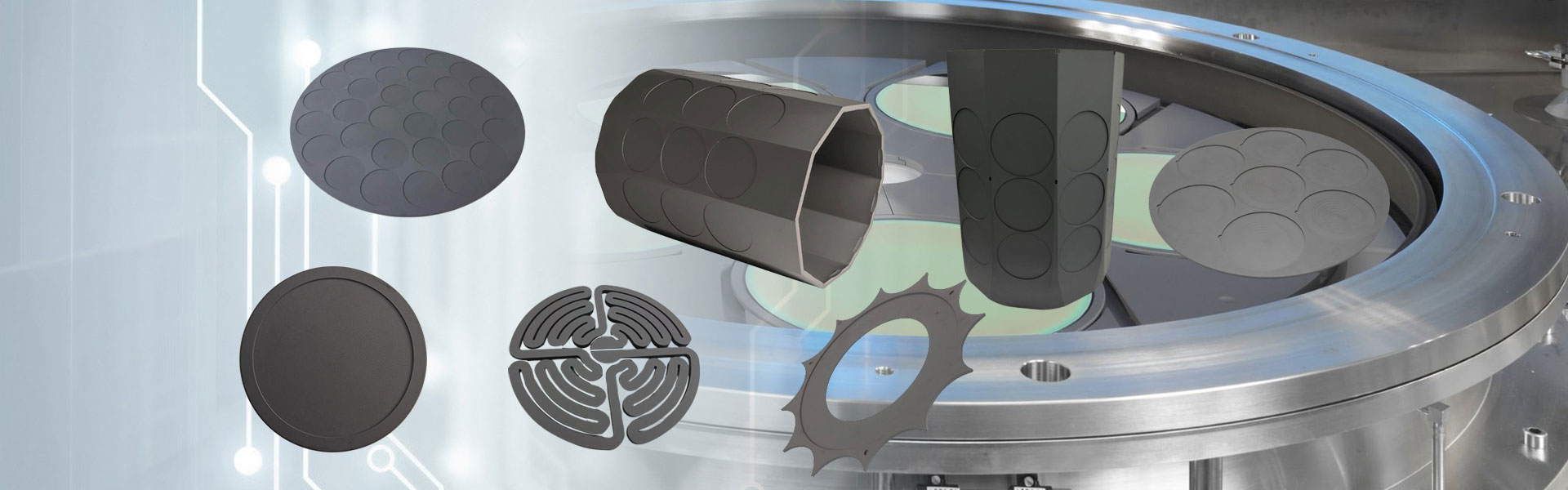
Isostatically pressed graphite is widely used in semiconductor manufacturing processes. It is used in graphite components for the hot zone of single crystal growth furnaces, such as crucibles, heaters, flow guides, and insulation covers; and in graphite components used in epitaxial processes.


- View as
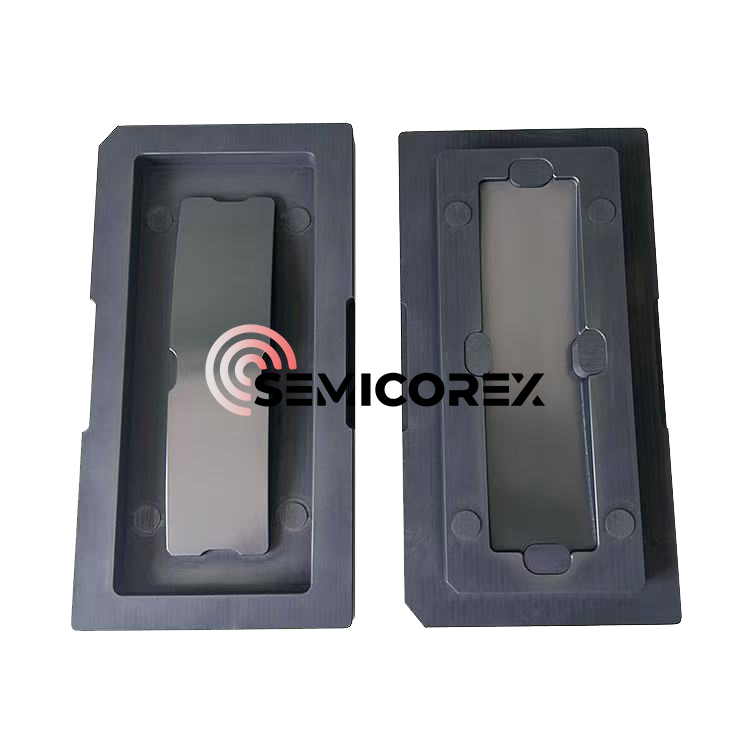
Kuumpainutatud klaasgrafiitvorm
Semicorexi kuumpainutatud klaasgrafiitvorm on täppiskonstrueeritud peeneteralisest kõrge puhtusastmega grafiidist, et tagada erakordne vastupidavus kõrgele temperatuurile, stabiilsus termilisele šokile, isemäärimine ja keemiline vastupidavus, tagades kvaliteetse 3D-kõvera klaasi minimaalsete defektidega. Semicorex on valitud selle sügavate teadmiste, täiustatud vormidisaini ja täpse protsessijuhtimise tõttu, mis maksimeerib tõhusalt saagikust ja vastab kõige nõudlikumatele tootmisnõuetele.*
Loe rohkemSaada päring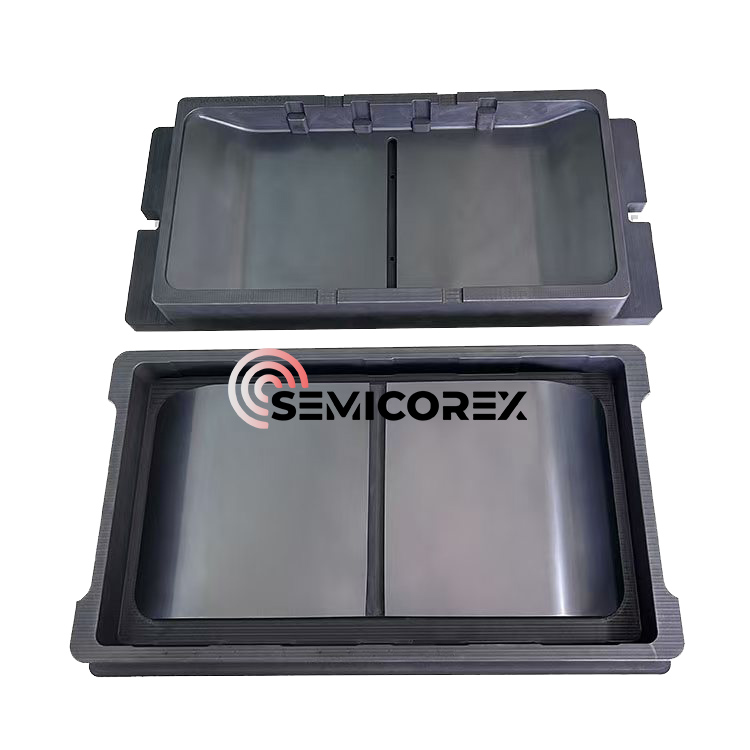
3D kuumpainutamine klaasist grafiitvorm
Semicorexi 3D kuumpainutatud klaasist grafiitvorm on kõrgekvaliteediline isostaatiline grafiidivorm, mis on mõeldud 3D-kõvera klaasi kuumpainutamiseks, pakkudes suurepärast soojusstabiilsust, soojusjuhtivust, kulumis- ja korrosioonikindlust, parandades klaasi pinna kvaliteeti, pikendades vormi eluiga ning suurendades oluliselt tootmise efektiivsust ja saagikust. Semicorex valiti selle usaldusväärse kvaliteedi, järjepideva tarnimise ja kogu maailmas täiustatud grafiidilahenduste pakkumisel tekkivate teadmiste tõttu.*
Loe rohkemSaada päring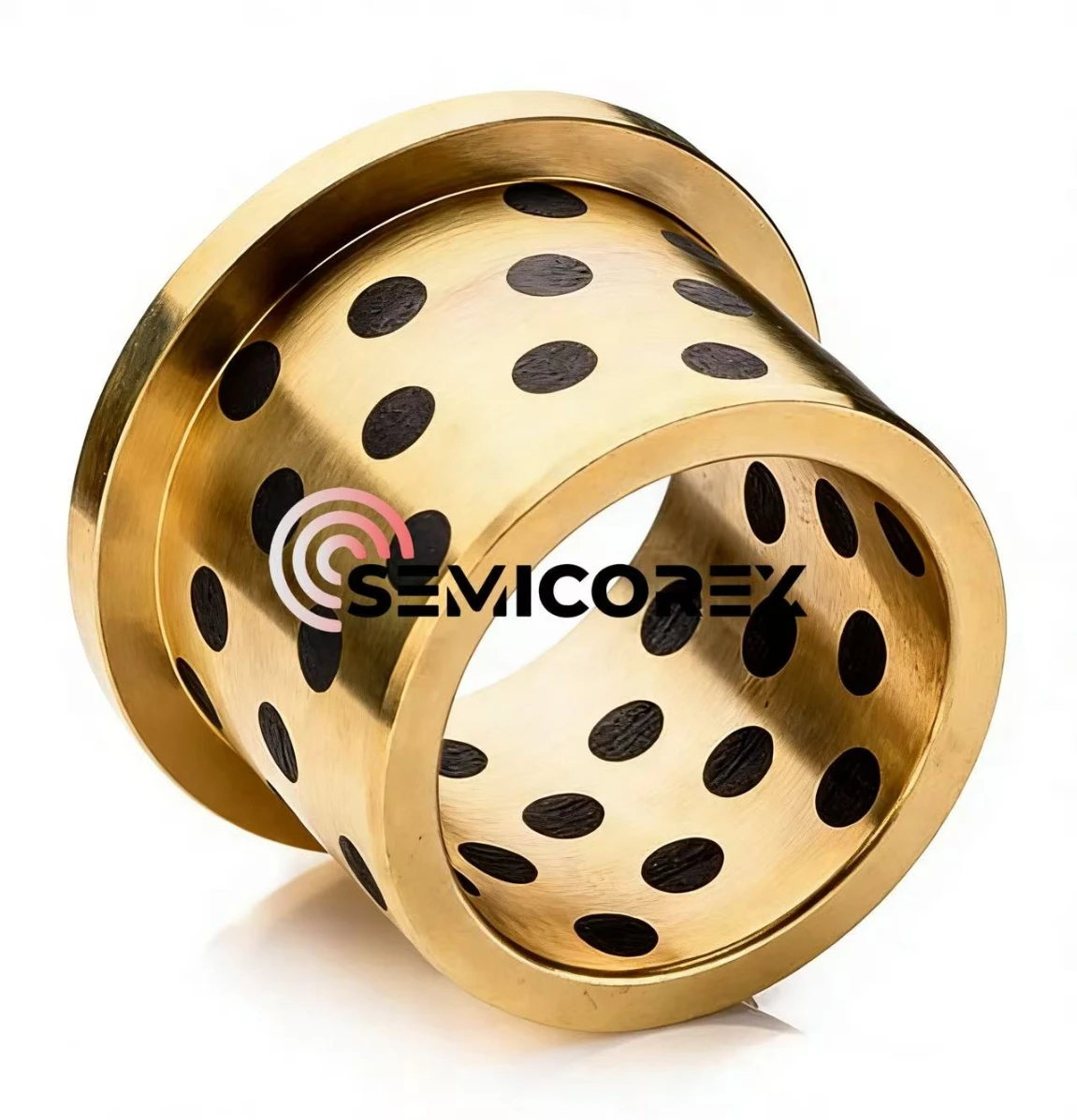
Grafiidist isemäärduvad puksid
Semicorexi grafiidist isemäärduvad puksid, mida nimetatakse ka õlivabadeks puksid, on suure jõudlusega liuglaagrikomponendid, mis on spetsiaalselt loodud töötama ilma välise määrimise või õlivarustuseta. Suurepärase jõudlusega Semicorexi grafiidist isemäärevad puksid on ideaalsed lahendused seadmetele, mis töötavad keerukates keskkondades, sealhulgas õlivabas töös, kõrgetel temperatuuridel, suurel koormusel, madalatel kiirustel, saastumisvastasel, korrosioonikindlusel ja kiirguskindlusel.
Loe rohkemSaada päring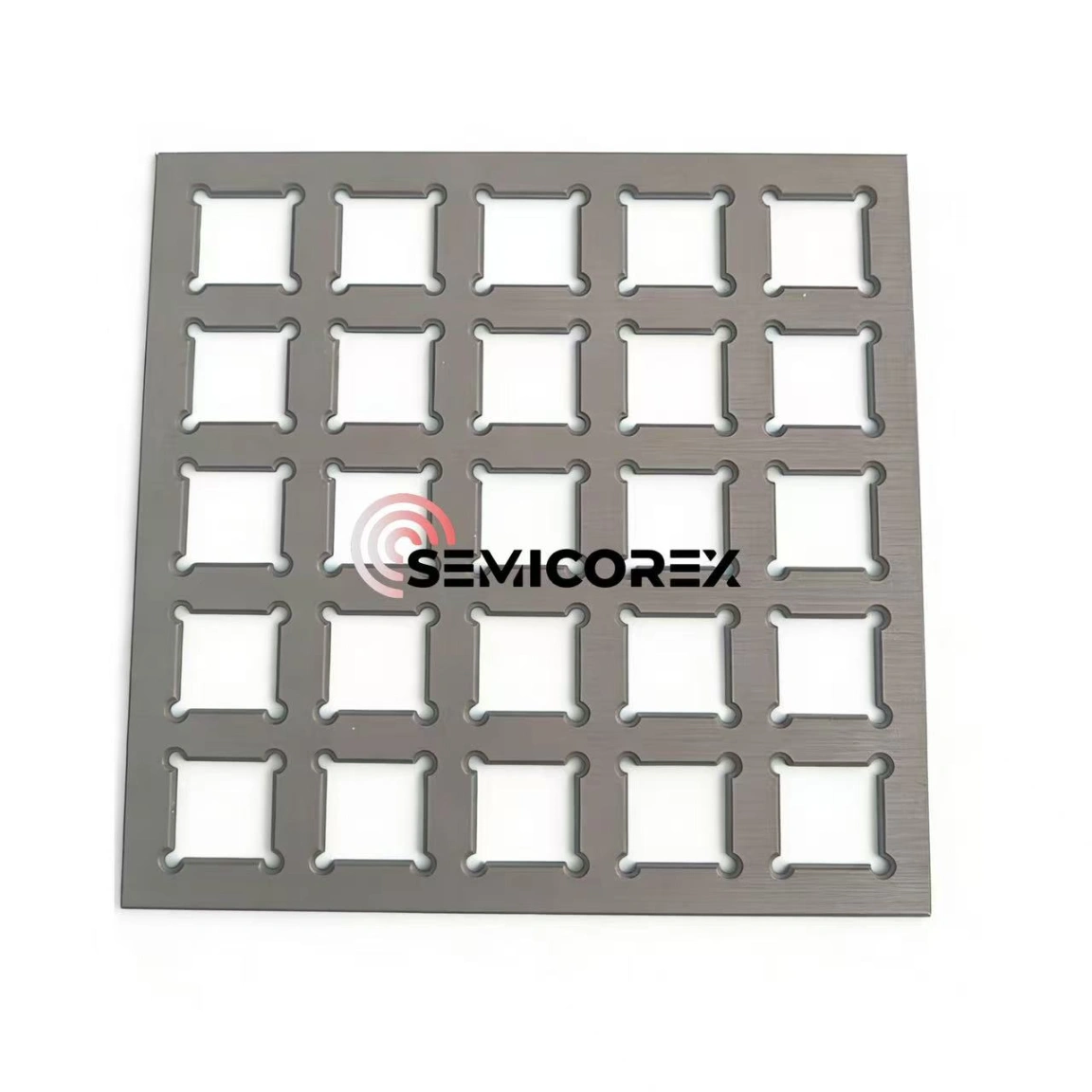
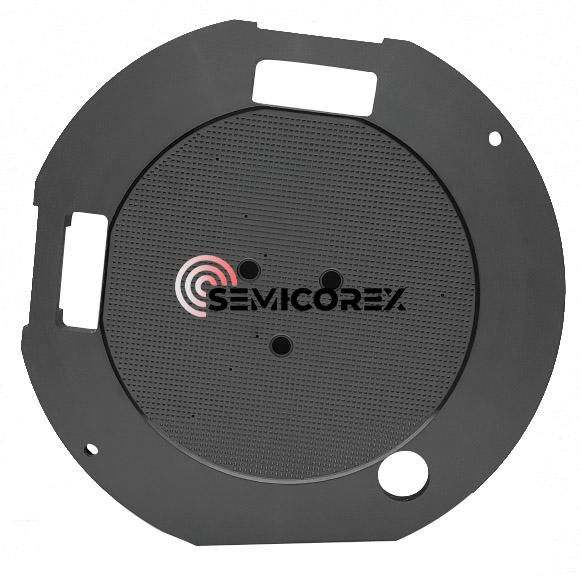
SiC-kattega grafiitrakised
Semicorexi SiC-kattega grafiitrakised on olulised grafiidikomponendid, mis on kaetud tiheda ja ühtlase SiC-kattega. Koos grafiidi ja ränikarbiidi suurepäraste omadustega toimivad Semicorexi SiC-kattega grafiitrakised usaldusväärselt ka keerukates pooljuhtide pakendamise ja katsetamise tingimustes.
Loe rohkemSaada päring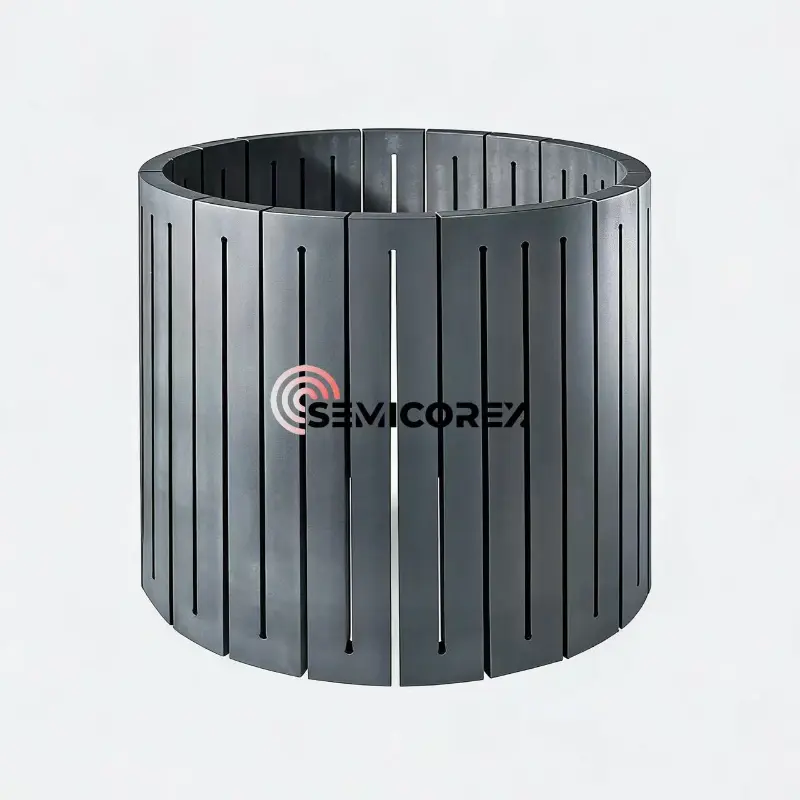
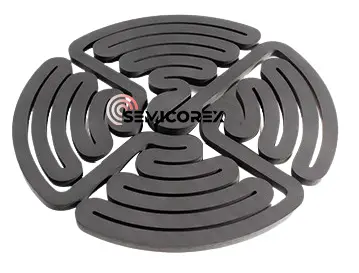
Silindrilised grafiidist küttekehad
Semicorexi silindrilised grafiidist küttekehad on takistuslikud kütteseadmed, mis on loodud spetsiaalselt monokristallilise räni kasvu kuuma tsooni jaoks. Toetades esmaklassilist materjalivalikut ja tõestatud töötlemistehnoloogiat, pakub Semicorex meie hinnatud klientidele konkurentsitult parimaid küttelahendusi, millel on tööstusharu tipptasemel jõudlus ja oluliselt madalam omamise kogukulu.
Loe rohkemSaada päring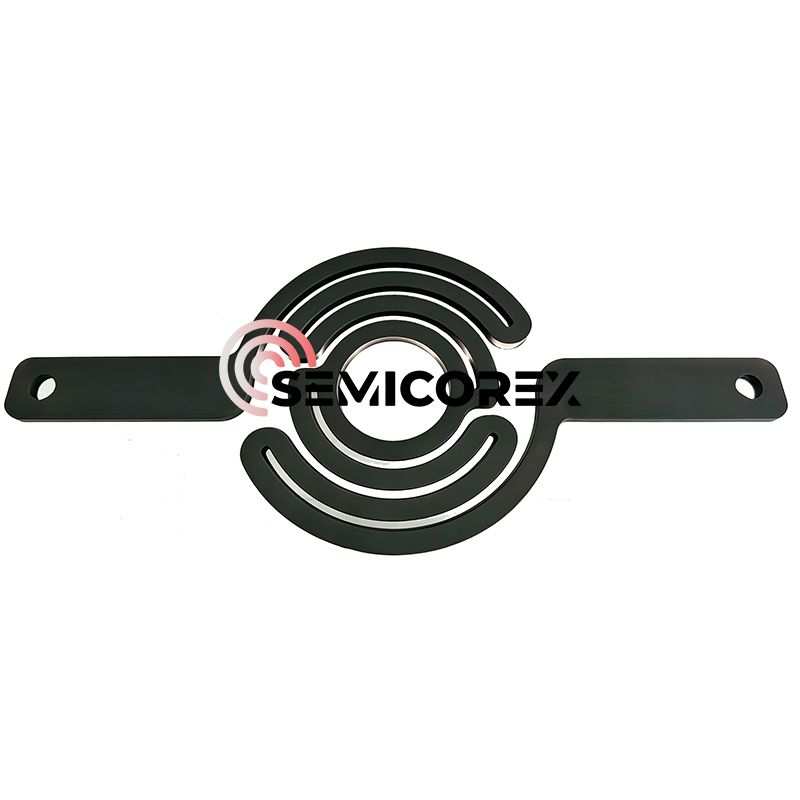
Grafiitküttekehad
Semicorex Graphite Heaters on täpselt konstrueeritud takistuslikud kütteelemendid, mis on loodud pooljuhtahjude ülikõrge puhtuse ja kõrge temperatuuri nõuete jaoks ning mis on spetsiaalselt optimeeritud MOCVD, CVD ja SiC kristallide kasvuprotsesside jaoks. Partnerlus Semicorexiga pakub teile kohandatud küttelahendusi, mis ühendavad suurepärase isostaatilise grafiidi täiustatud katmistehnoloogiatega, tagades tööstusharu juhtiva termilise ühtluse, saastevaba jõudluse ja oluliselt madalama omamise kogukulu (TCO).*
Loe rohkemSaada päring
Semicorex on tootnud Isostaatiline grafiit juba aastaid ning on üks professionaalsemaid Isostaatiline grafiit tootjaid ja tarnijaid Hiinas. Kui ostate meie täiustatud ja vastupidavaid tooteid, mis pakuvad hulgipakendeid, garanteerime suure koguse kiire kohaletoimetamise. Aastate jooksul oleme pakkunud klientidele kohandatud teenust. Kliendid on meie toodete ja suurepärase teenindusega rahul. Ootame siiralt, et saaksime teie usaldusväärseks pikaajaliseks äripartneriks! Tere tulemast ostma tooteid meie tehasest.